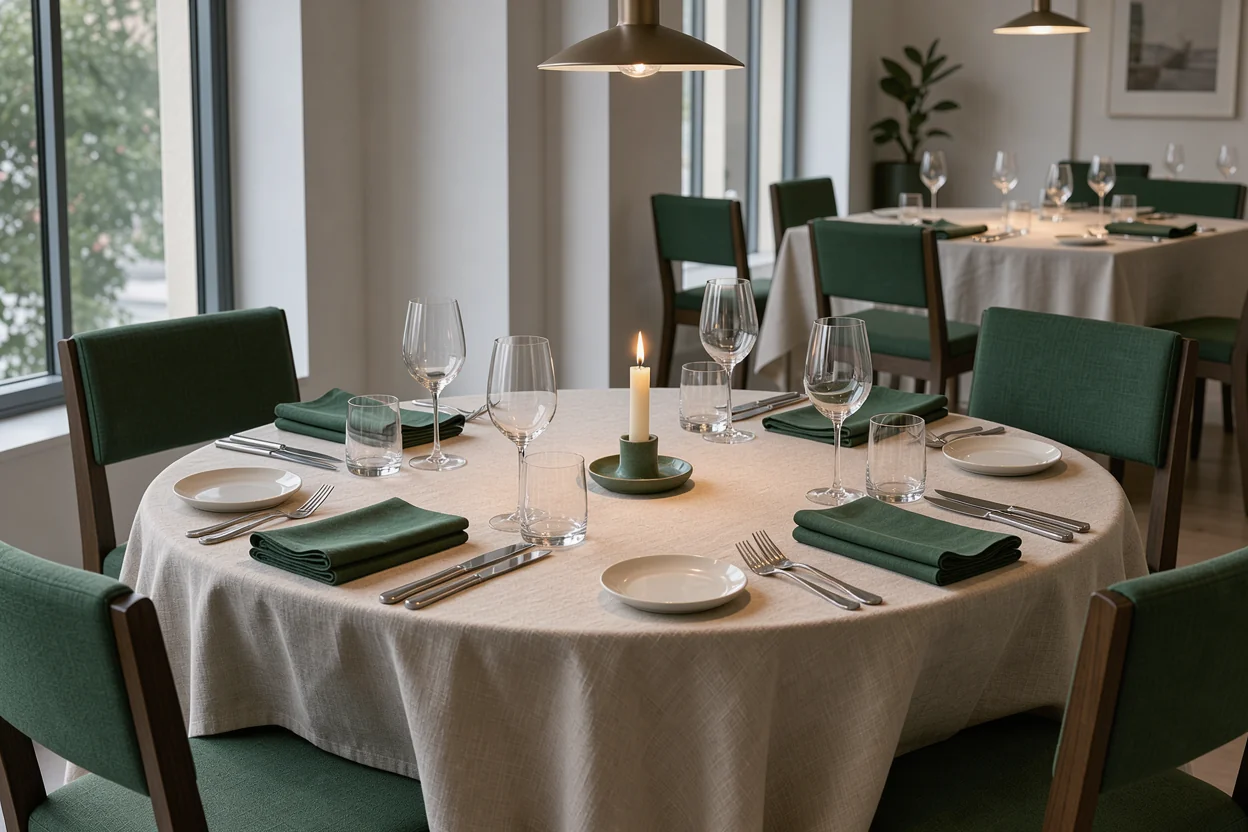
Every operator who runs a reservation book knows the 8:15 p.m. feeling. The floor plan says a six-top should be ordering by now, the table is set, and the party is a phone that rings out. The cost isn't just that table. It's the waitlisted group you turned away, the server section thrown off balance, and the kitchen pacing that assumed a full first seating. If you're looking for how to prevent table booking no-shows without turning your venue into a hostile place to book, this checklist is the working audit. Twelve points, grouped by where they sit in the guest journey: before the booking, between booking and arrival, at the door, and the morning after.
The numbers justify the effort. Bloom Intelligence's analysis of 641,000 advance reservations found that 3.7% of parties never arrived and another 15% cancelled, meaning nearly one in five booked tables never seats a guest. A separate analysis by Resos put the U.S. no-show rate at 3.17% of reservations, more than double the U.K. rate. On a 40-cover Saturday, even a few percentage points of attrition is real money.
Why no-shows happen before you can fix them
The first three checklist items are about understanding the problem at your venue specifically, because prevention tactics that work against one cause do nothing against another.
Most no-shows trace back to one of three roots. Frictionless booking is the biggest: anyone can hold tables at four venues on the same Saturday night with a few taps, and the National Restaurant Association's 2026 State of the Industry data shows 40% of consumers cutting restaurant frequency, which means guests book more speculatively and commit less. Then there's the forgotten booking, made three weeks out and never confirmed. Last is the deliberate overbooking guest, who holds two or three options and picks one on the night.
Your first three checks:
- Pull your actual no-show rate by day and party size. Don't guess. A table-level report, like the table booking report in VenueStack, will show whether your problem is Friday-night large parties or Tuesday two-tops. Large parties and special-event nights usually carry the highest risk, and they deserve the strictest policies.
- Check where your bookings come from. Direct bookings on your own site behave differently than marketplace bookings. Operators who switched to direct reservations report no-show rates 40-60% lower than the same venues showed on marketplace channels, because the guest perceives a relationship with your venue rather than a platform. If most of your book comes through third-party channels, that is your first structural fix.
- Separate late cancellations from true no-shows. A cancellation 26 hours out is recoverable if your waitlist works. A silent no-show at 8:15 is not. You need different policies for each, and your reporting has to tell them apart.
Booking-time levers that filter out the uncommitted
Checks four through seven all happen at the moment of reservation. This is where most of the prevention lives, because a booking with commitment attached behaves differently than a booking that cost the guest nothing.
Require a deposit on high-risk bookings. Not every table, every night. That punishes your regulars to chase a Saturday problem. Set deposit rules by day, party size, and event: full prepayment for cabanas and bottle-service minimums, a per-head hold for parties of six or more on weekend nights, nothing for a Tuesday four-top. The point of the deposit isn't the money. It's the psychological commitment. Venues running deposits through a proper deposit request workflow collect the payment link at booking time rather than chasing it by phone, which is where most manual deposit schemes die.
Publish the cancellation policy at the point of booking, in plain words. SevenRooms' guidance on reducing no-shows without losing guests puts it well: set the cancellation window, put the policy in front of guests at booking, then repeat the same language in the confirmation and pre-arrival messages. Something like "Please cancel by 6 p.m. the day before. Tables held past 20 minutes may be released." Vague policies get tested. Specific ones get respected.
Capture a real mobile number and confirm consent to text. Your reminder system is only as good as its delivery channel. SMS confirmations outperform email for same-day nudges by a wide margin, and a booking with no reachable phone number is a booking you cannot save. Make the phone field required and explain why: "We'll text you a reminder and make it easy to cancel or move."
Use card-on-file holds as the middle tier. If full deposits feel too heavy for your market, holding card details without charging upfront still filters out speculative bookers. The guest who won't leave a card was never coming. This is the tier most operators underuse, and it works well for mid-size parties on busy nights where a full deposit would dent conversion.
The reminder cadence that actually gets answers
Checks eight and nine cover the gap between booking and arrival. This is where forgotten bookings either confirm or cancel early enough to rebook, and where a silent no-show converts into a recoverable one.
Send three touches: confirmation at booking, reminder 24 hours out, same-day nudge for high-demand slots. The timing matters more than the channel. A reminder that lands 24 hours before service gives the guest time to cancel and you time to refill. Resos' data found that reservations with a delivered text reminder had a 16% lower no-show rate. And make the reminder sound like a person. "Hi Sarah, it's Jenna at the door. We're holding the window table for you tonight at 7" outperforms a robotic "Your reservation is confirmed" because a name turns a system into a someone.
Make cancelling one tap, and treat an early cancel as a win. This sounds backwards until you run the math. A cancellation at noon on Saturday is a table you can resell. A no-show at 8:15 is not. Every reminder should include a working modify-or-cancel link, and your table booking rules should release that table back to inventory automatically the moment the cancel lands. If cancellation requires a phone call during business hours, guests will simply not show instead.
One note on tone: the goal is friction for the uncommitted and zero friction for the committed. Guides like Reserver App's piece on cutting no-shows without picking fights make the same point. Deposits and holds do the filtering quietly, so your staff never has to.
Door policy and waitlist depth on the night
Checks ten and eleven are the operational backstop. Even a well-run book has leakage, and what happens at the door determines how much of it you recover.
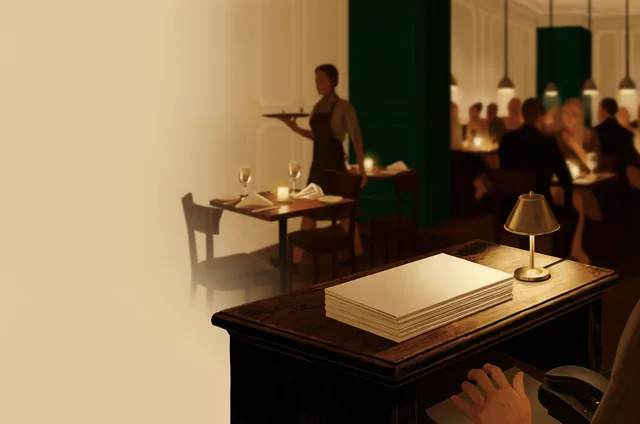
Hold tables for a stated grace period, then release. Twenty minutes is the common standard, and it only works if guests know it before the night. Put the release window in the confirmation and reminder copy, then enforce it. A table held indefinitely for a party that isn't answering is a table you chose to lose twice. On the floor, this is where live floor management earns its keep: the host sees which tables are past grace, which are on their way, and which should be released to the waitlist without a huddle.
Keep a real waitlist and work it actively. A waitlist isn't a notebook. It's a queue of guests who want the exact inventory a no-show frees up. When a table releases, the next party should get a text within a minute: "Your table is ready, hold for 15 minutes?" Venues that overbook slightly against their historical no-show rate and backstop it with a live waitlist run noticeably fuller rooms. The word "slightly" is doing work here. Overbooking past your actual no-show data is how you end up comping drinks for an angry confirmed party at 9 p.m.
There's also a door script for the late-but-coming guest, and it should be short: acknowledge, check the floor, give a realistic time, and note the arrival against the booking so your guest check-in workflow keeps the record clean. What your team says to a chronically late regular is a judgment call, but the record of who was late, and how often, should never live in someone's memory.
The weekly audit that keeps the system honest
The twelfth check is the one that makes the other eleven stick, and it's the piece most venues skip.
- Run a 20-minute post-night review every week. Pull the post-night table reconciliation: how many no-shows, by day and party size, which ones had deposits, which reminders were delivered, how many released tables got refilled. Then compare against last week and against the week you started. You are looking for two things. First, whether the rate is actually moving (a realistic target for venues starting from scratch is getting under 3%; direct-booking playbooks that combine confirmation tooling and deposit rules report exactly that). Second, whether any single lever has stopped working, because reminder fatigue is real and a message that cut no-shows in March can blend into the noise by August.
This is also where you adjust. If six-tops on Fridays still flake at twice the rate of everything else, raise that deposit tier. If early cancels are up but refills are flat, your waitlist process is the bottleneck, not your booking policy.
One practical tool idea if you want to size the problem before changing anything: a simple no-show cost estimator. Inputs are covers per week, average table spend, and current no-show rate; output is the weekly and annual revenue at risk, plus what a 2-point improvement recovers. It turns an abstract annoyance into a number you can justify acting on.
Questions operators ask about no-show prevention
Will deposits scare off bookings? Some, yes, and that's partly the point. The bookings you lose to a deposit requirement skew heavily toward the ones that were never going to show. Keep deposits scoped to high-risk slots and conversion on ordinary weeknight tables stays untouched.
What's a reasonable grace period before releasing a table? Fifteen to twenty minutes is the norm across U.S. venues. The number matters less than the consistency. Publish it, remind guests of it, and enforce it every night, or the policy is decoration.
Should I blacklist repeat no-shows? Keep a record, and require prepayment from guests with a history rather than refusing them outright. Some restaurants check reservations against a no-show database before confirming, and repeat offenders simply can't book without a deposit. That's a firm policy that still leaves the door open.
How fast should I expect results? Reminder cadence fixes show up within two to three weeks. Deposit policy effects take a month or two to read clearly, because you need enough bookings to compare. Judge the system on a rolling four-week rate, never on one bad Saturday.